SmartCaddie
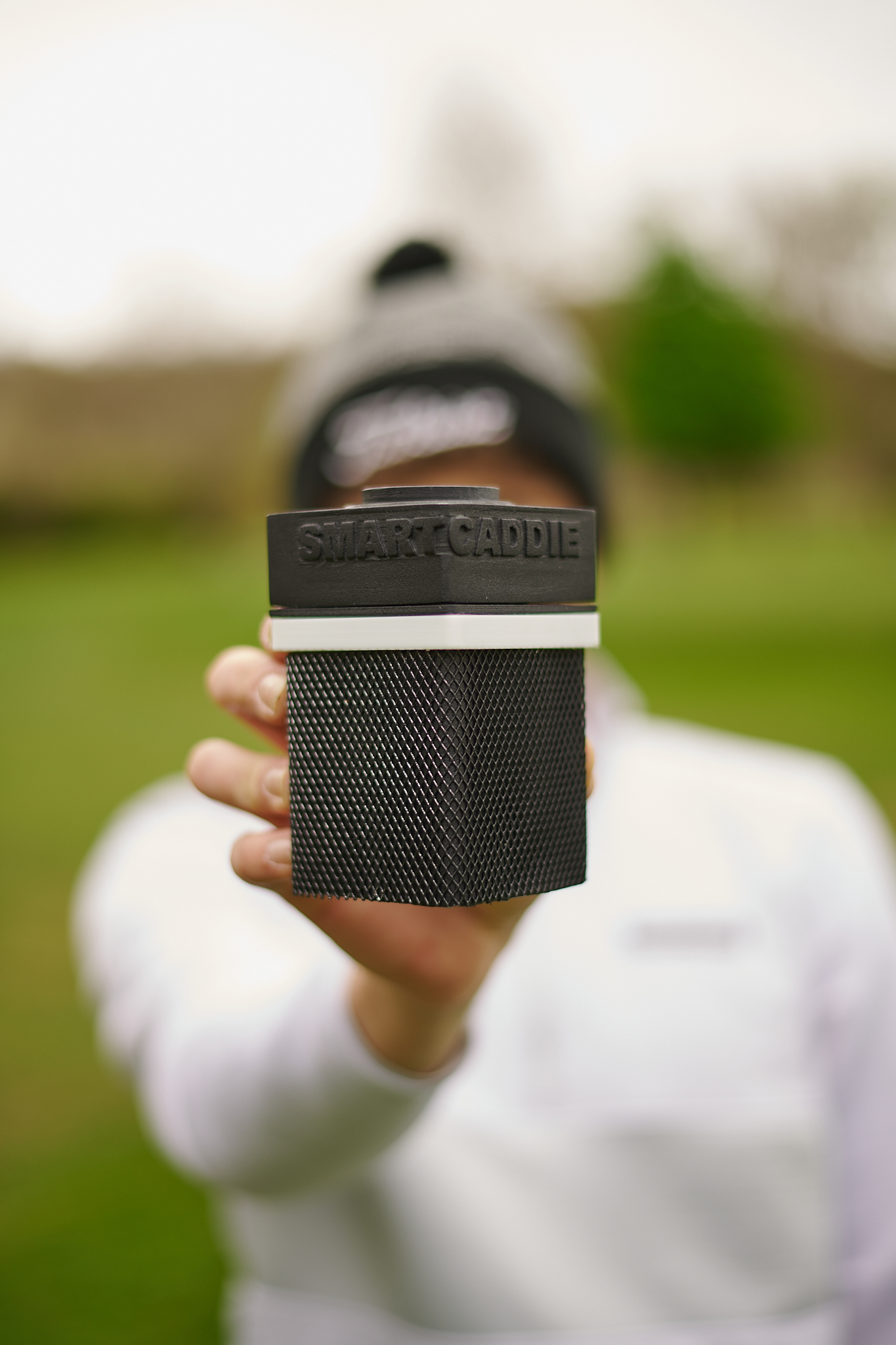
SmartCaddie is a proposed AI Smart Speaker that is to be used with the intention of enhancing the ability of amateur and beginner golfers. Unique insights for specific holes, golf rulings and advice on the more difficult shots would be used in order to drop shots for the users
Identifying a gap
This was an open brief honours project. This required identifying a problem and design an outcome to solve this. The focus was quickly narrowed into golf as its a personal passion, as well as a surging rise of popularity has came post COVID-19. Training aids were identified as an area to improve. This was identified through interviews with multiple golf professionals, as well as personal knowledge through experience, that course management was the main dividing factor between high and low handicaps.
Product Comparison
The next stage was evaluating current golfing apps on the market. Top apps such as 18birdies, swingU and Golfshot were shortlisted. Many served the same service. A couple of insights, though course management was not very apparent. As well as purpose, styles were assessed for future design inspiration. The insights relayed to the user were very basic. Wind direction, elevation and how that affects the distance to the hole. "Course Management" wasn't being displayed well at all.
Course management Trial
More golf professionals and several caddies were further interviewed. Key areas were outlined to be covered to help people while they are on the course. A mix of personal knowledge from being a 1.5 handicap as well as the information learned were tested while caddying a golfer around a golf course. Solely using information that would be included in the app, such as percentages of fairways hit on individual holes, misses with separate clubs, etc., using the specific insights throughout the round. Through this trial, the golfer shot a 18 hole score of 87. This beats his previous personal best by 9 having previously been 96. The process helped to prove the concept did in fact work
Physical Prototype
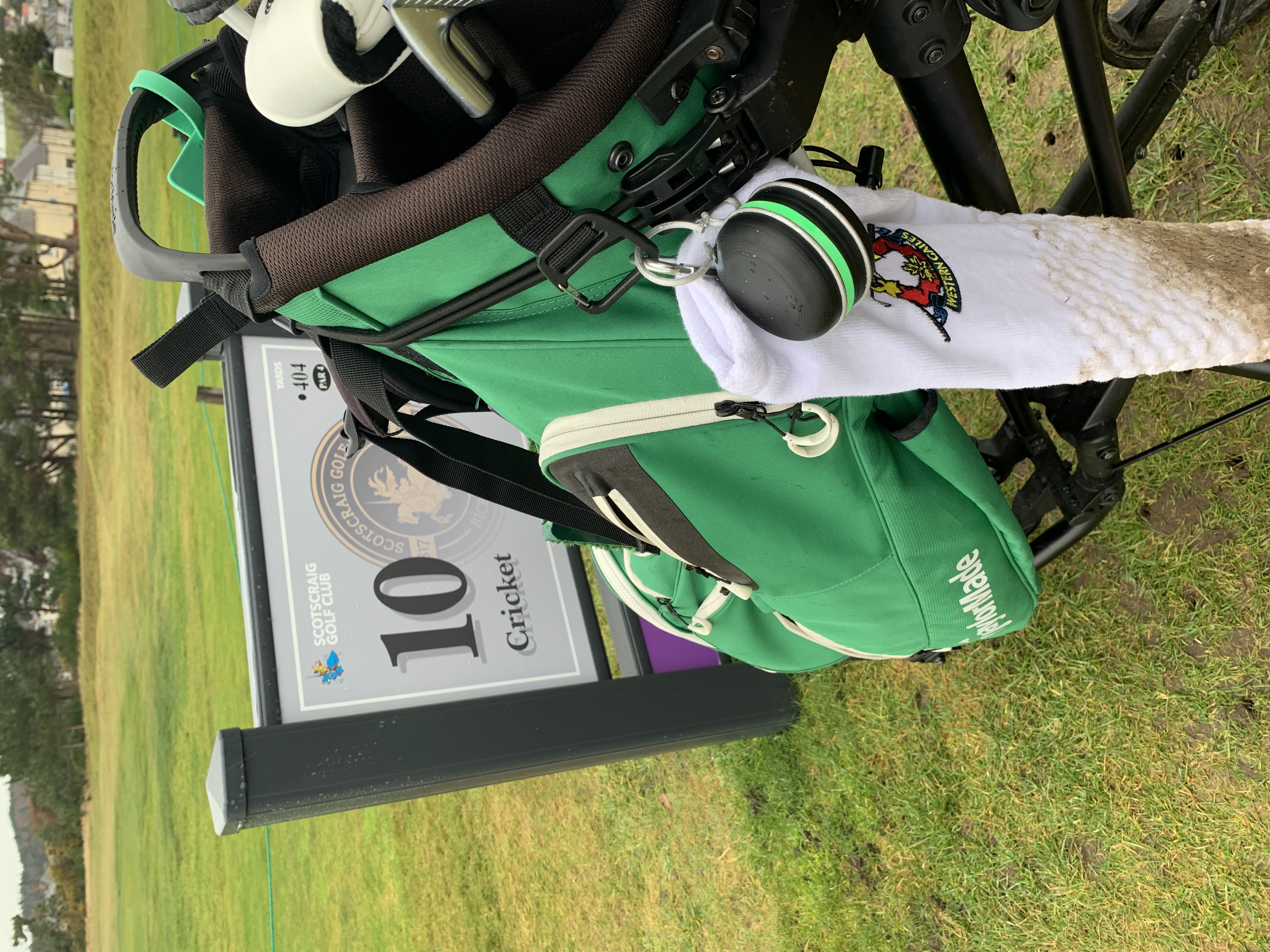
The app idea eventually came to an end, and a smart speaker replaced the previous concept. The decision was made with the intention of stopping golfers be on their phones and promoting conversation instead. The prototype served the same purpose, though the interaction with the product would be made through voice interaction. This is instead of physical interaction with a screen. An attempt was made at coding an alexa smart speaker to create a realistic interface. The prototype came to an end quickly due to time frame infringements.
Final Prototype
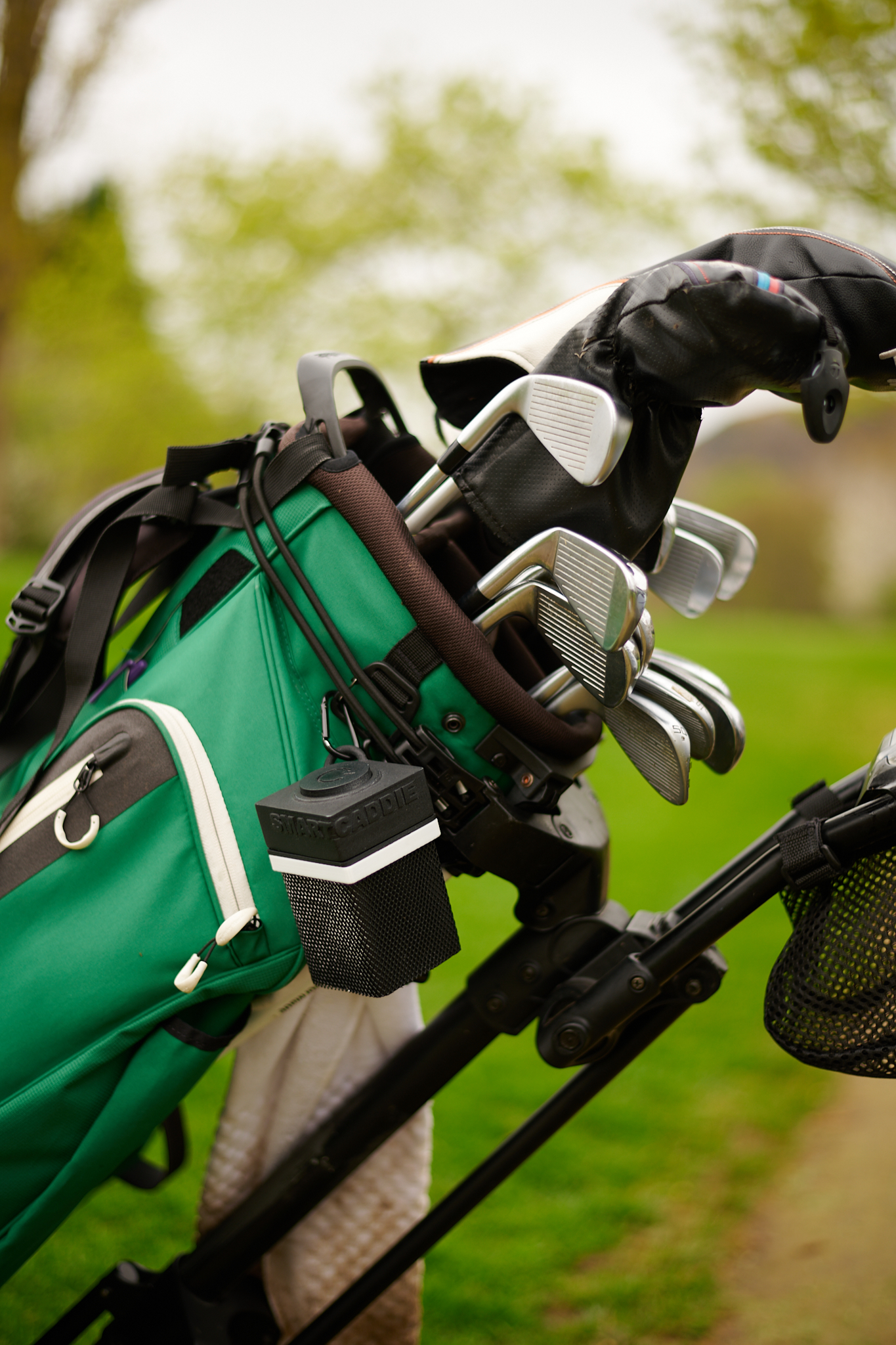
The final prototype went through a number of iterations, mainly through physical form rather than the theory itself. The initial prototype was poorly designed, and it was presented in a presentation that did not resemble a speaker, and users may be confused as to what the product actually is. The final prototype leaned heavily into form and was a believable prototype. Key features integrated were the likes of a speaker mesh, power button and branding of the product. Completing the look of an realistic speaker.